 فارسی
فارسی English
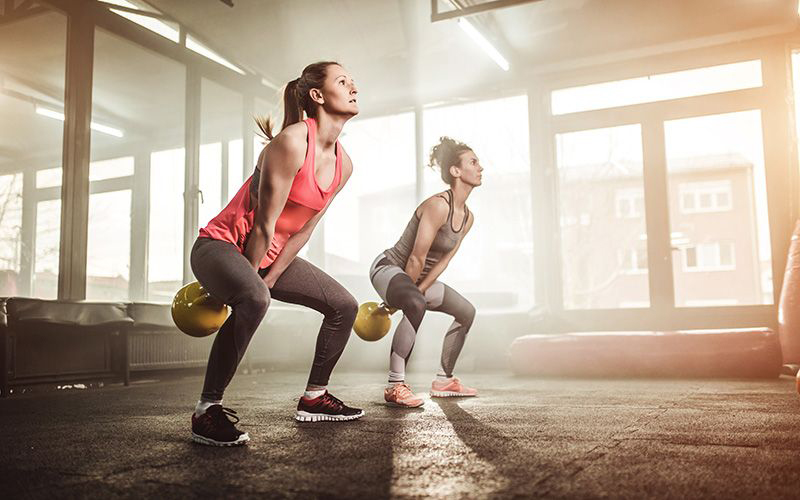
The concept of “functional exercises” was initially used by physiotherapists. In rehabilitation sessions, physiotherapists gave their patients exercises that included imitation of daily movements and activities so that they could return to life after recovery from injury or surgery.
Now functional exercises are not only for clinical patients and sports experts recommend that everyone should use such exercises. This phrase in the present tense refers to exercises that make you strong in doing daily tasks and activities. Like:
* Carrying heavy objects
* Putting something on the shelf
* Sitting and getting up from the ground
* Hugging the child and carrying him
In functional exercises, you train the muscles involved in daily activities so that you have a stronger body, cope with daily and necessary tasks, reduce the risk of injury and functional weakness, and also increase your quality of life.
The purpose of functional exercises:
Functional exercises train your muscles by simulating common movements you might do at home, work, or sports, and prepare them for the ability and strength of everyday tasks. In functional training, both upper and lower body muscles are used, but there is a special emphasis on the strength and stability of the middle body.
You might ask, is functional the same as bodybuilding? Yes, it is a kind of bodybuilding! But in bodybuilding, the goal can be things like muscle strength or muscle volume, which is very good and helps to live a better and healthier life; But it is not necessarily functional! But in functional training, strength training is combined with the movement pattern of daily activities, which provides you with a more effective training program.
A simple example: for example squat is a functional exercise; Because the muscles involved in squatting are the same muscles involved in sitting and getting up from a chair. Even if you are not a bodybuilder, you should do such exercises.
Principles of functional exercises:
Functional exercises can be done at home or in the gym. There is no need for special equipment or devices for these exercises; For example, you can use resistance bands or dumbbells at home, or train without any equipment and only with body weight, or use gym equipment such as kettlebells, barbells, and weights. Most clubs hold functional training classes separately. Or it may be included alongside a Pilates or bodybuilding class.
Exercises can include high-intensity functional training, where you perform a variety of movements at high intensity. Exercises may include aerobic exercises, strength exercises, flexibility exercises or agility exercises.
The training systems used in functional are diverse and can include full body or individual muscle training, heat and tabata or other systems.


No comment